As part of an international pilot project, the OEKOBIT GROUP successfully implemented a total of nine EKO BIOGAS small-scale plants, each with a digester volume of 2 m³, in Kenya, Ghana and The Gambia. The aim of the project was to promote decentralised and sustainable energy supply at schools while also sharing knowledge about renewable energy and the circular economy.
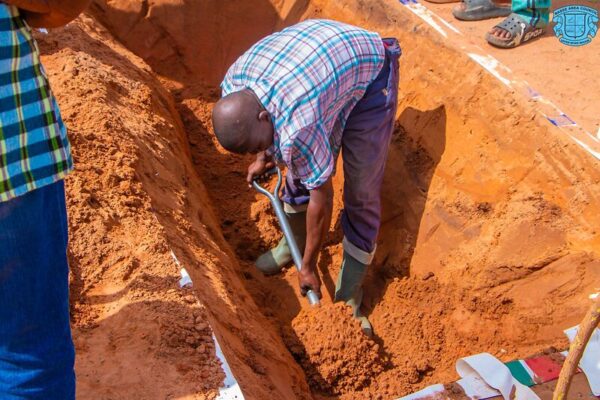
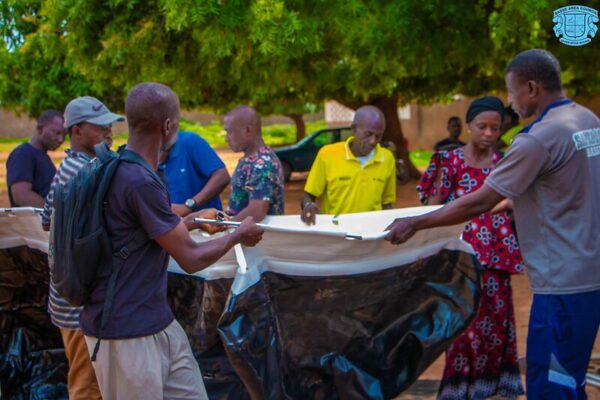
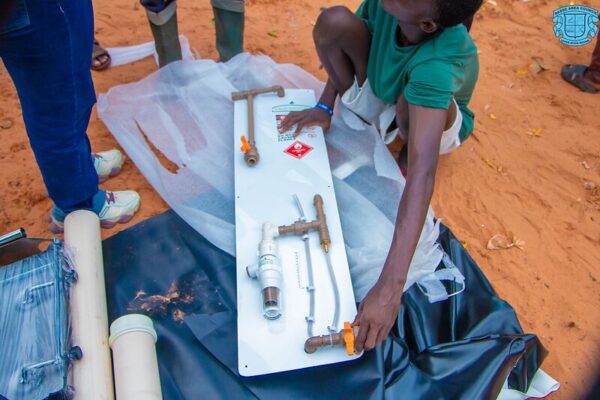
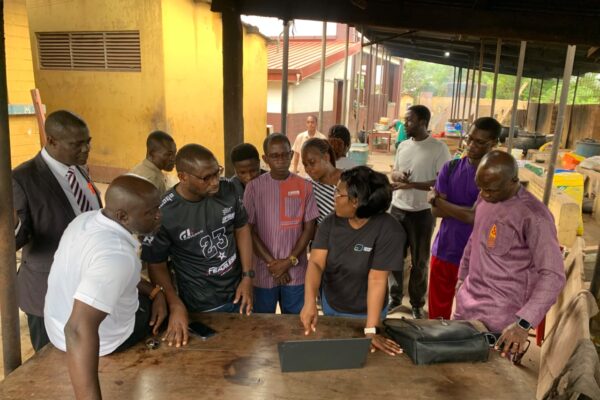
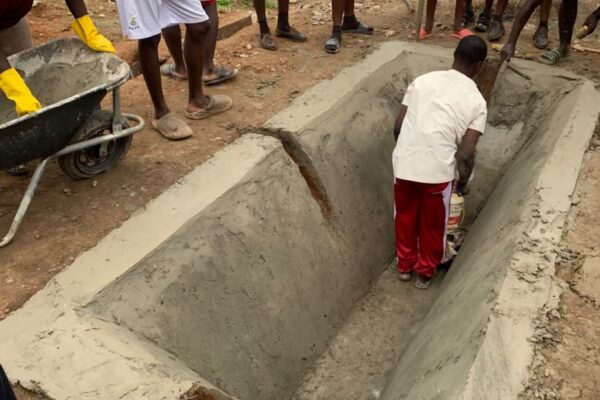
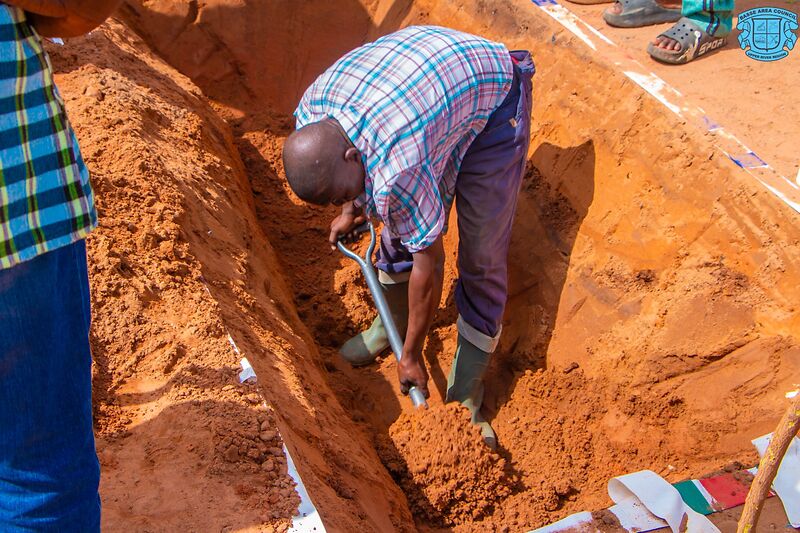
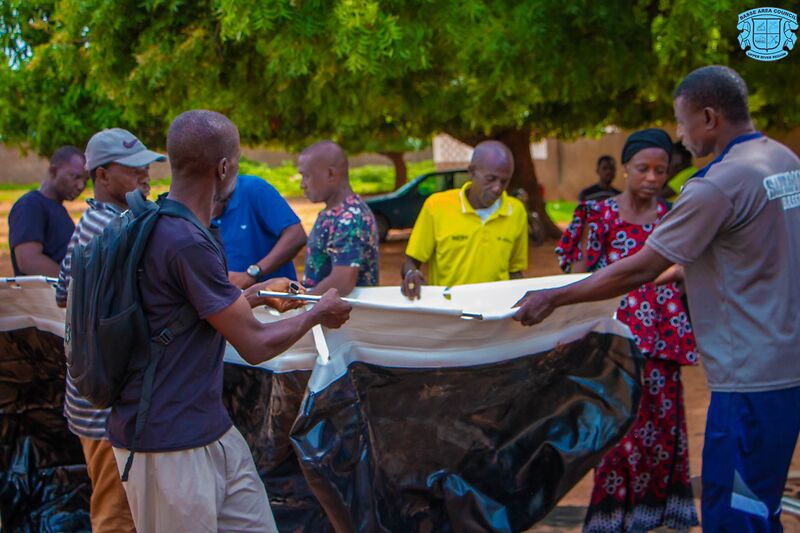
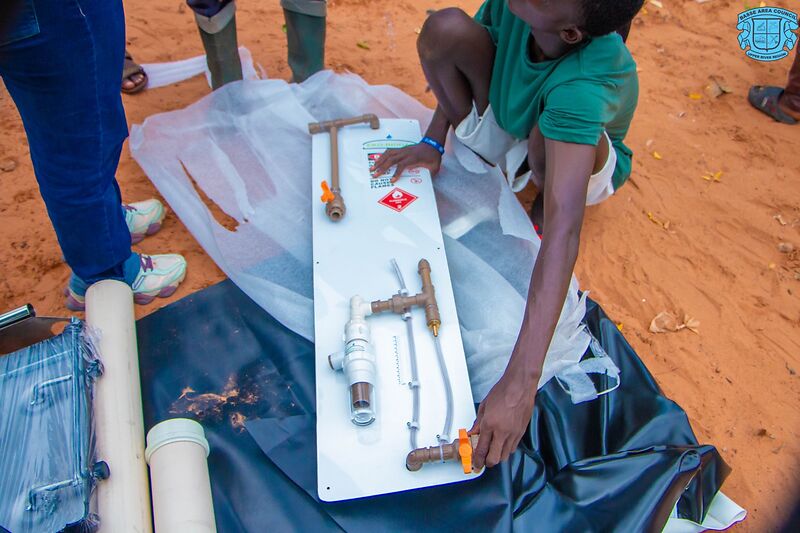
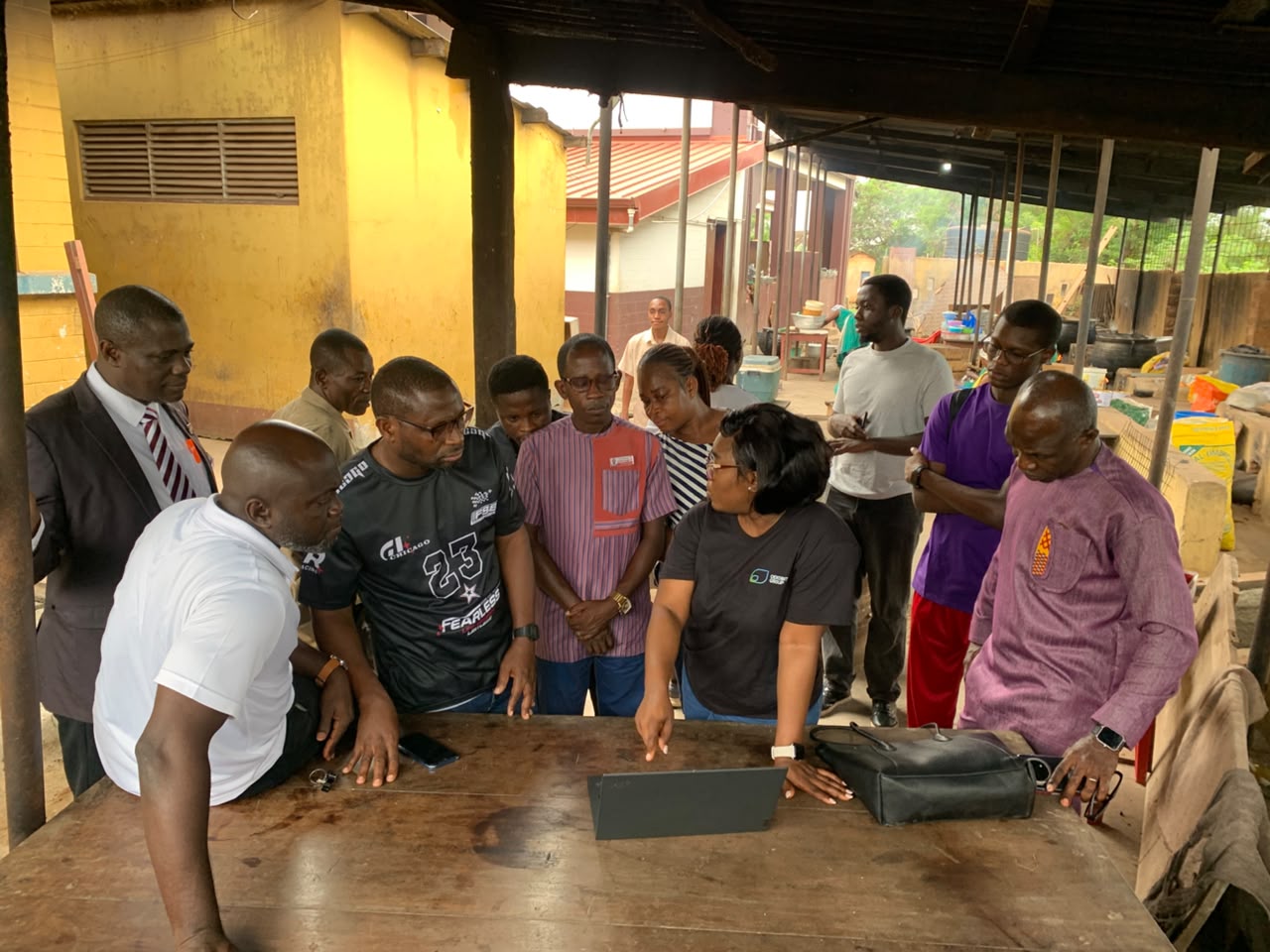
The project was implemented in several phases. Following an initial trip to Kenya in December 2025, Project Manager Priscilla Hammond travelled to Sekondi-Takoradi, Ghana, from 18 to 30 July 2026 and to Basse, The Gambia, from 4 to 13 August 2026. Comprehensive on-site training was provided on sustainable waste management, biogas technology and plant operation. This was complemented by the installation, commissioning and technical acceptance of the systems.
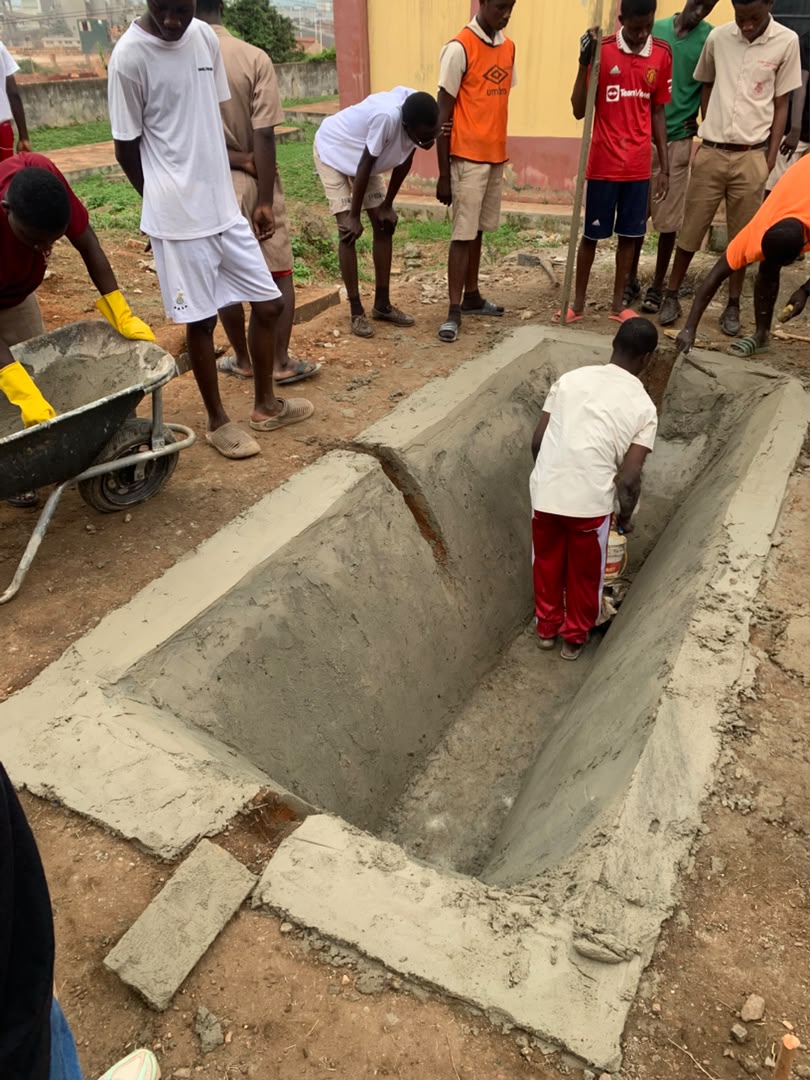
All plants were successfully installed, tested and subsequently handed over to the respective schools. In the future, they will supply biogas for cooking in the school canteens, thereby making an important contribution to reducing firewood consumption and CO₂ emissions.
In addition to the technical implementation, the project placed particular emphasis on building knowledge and expertise. Teachers, pupils, local government representatives and community members received intensive training and were actively involved in the installation work. The successful installation of the second plant in The Gambia by the local team, with only minimal support, demonstrates the sustainable transfer of knowledge and the effectiveness of the training concept.
The OEKOBIT GROUP is pleased with the results of the pilot project. The EKO BIOGAS 2 m³ kits, which are based on the patented HoMethan® technology, successfully demonstrated their practical suitability under local conditions.
The successful completion of the project not only established a sustainable energy supply at the participating schools, but also laid the foundation for long-term local use and the further expansion of biogas technology in the partner regions.